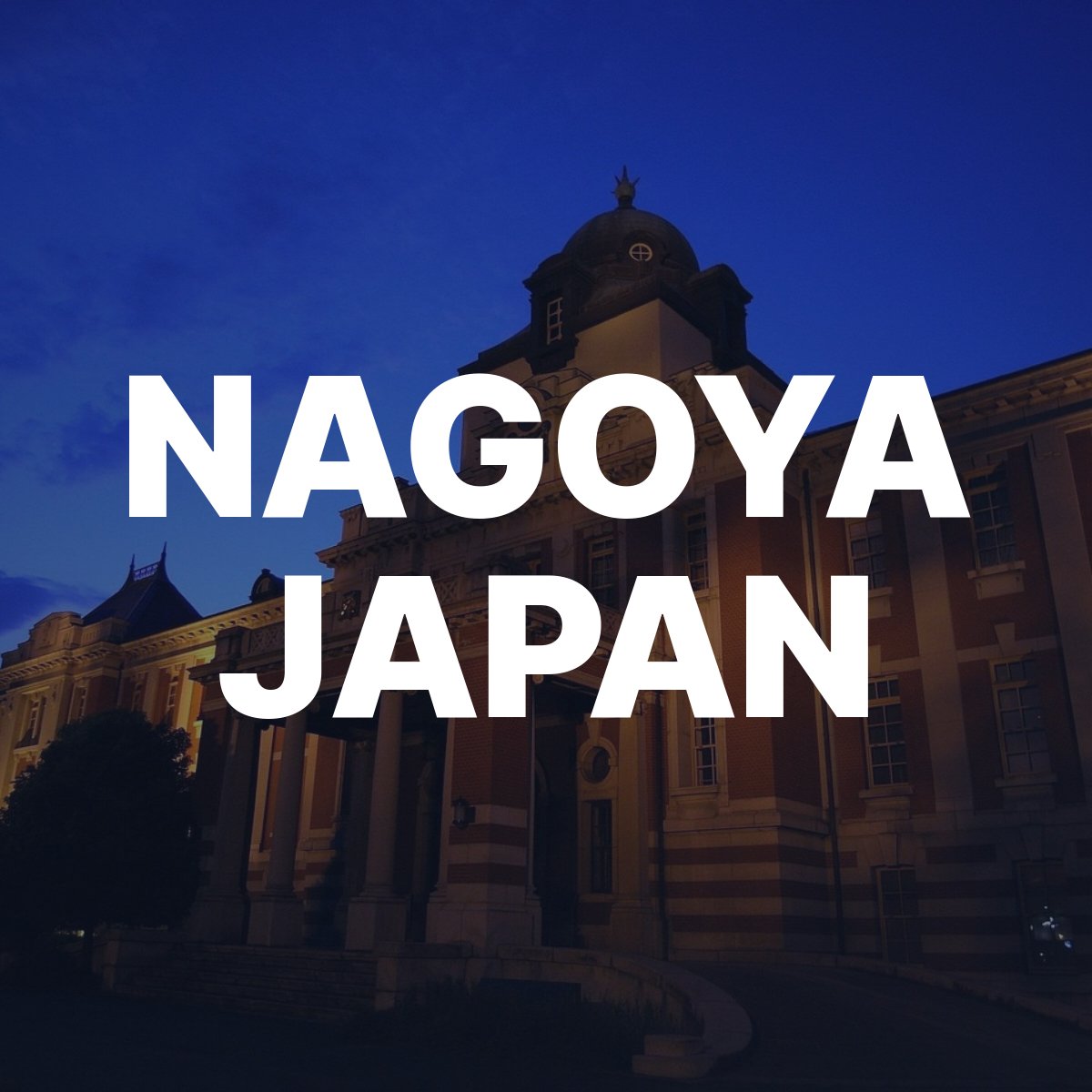
Last spring, I stepped off the Shinkansen at Nagoya Station and immediately felt something different from Tokyo and Kyoto. This central Japanese city welcomed me with modern architecture mixed with authentic traditional culture. Most travelers skip Nagoya Japan on their itinerary, rushing between the crowded tourist magnets. I decided to spend five days exploring this underrated destination, and it completely changed my perspective on Japanese travel. The city offered me genuine local experiences without overwhelming tourist crowds. I discovered incredible attractions, tasted unique regional cuisine, and connected with welcoming locals who rarely encountered foreign visitors. Nagoya surprised me with its perfect balance of innovation and tradition. The efficient transportation system made navigation simple, while the authentic atmosphere kept every moment exciting. If you seek an authentic Japanese experience away from tourist traps, this city deserves your attention. Let me share the insights I gained from my journey through Nagoya Japan, including the attractions that amazed me, the practical tips that saved my trip, and the mistakes you should avoid. This guide will help you discover why Nagoya became my favorite Japanese destination and how you can experience it like a local resident.
Why Nagoya Became My Favorite Japanese Destination
Walking through Nagoya for the first time, I noticed something remarkable that set it apart from other Japanese cities I had visited. The locals actually had time to talk with me. In Tokyo, everyone rushed past in perpetual motion. In Kyoto, tourist areas felt manufactured for visitors. Nagoya offered genuine authenticity without the performance. I spent my mornings exploring neighborhoods where I was often the only foreigner, and residents greeted me with curious smiles rather than rehearsed English phrases. The city sits at the heart of Japan’s industrial innovation, home to Toyota’s headquarters and cutting-edge manufacturing. Yet traditional crafts like pottery and sword-making still thrive in dedicated districts. This combination fascinated me throughout my stay.
The food scene in Nagoya Japan blew my expectations apart. I had heard about miso katsu, tebasaki chicken wings, and hitsumabushi eel rice before arriving. Actually tasting these regional specialties in local restaurants changed everything. One evening, I stumbled into a tiny restaurant near Osu Kannon temple where the owner served me the best miso katsu I have ever tasted. The thick red miso sauce, slightly sweet and deeply savory, complemented the crispy pork cutlet perfectly. She explained that Nagoya’s unique miso tradition dates back centuries, when the region produced distinctive red miso that became central to local cuisine. I returned to that restaurant three more times during my visit. The tebasaki wings, with their crispy skin and peppery seasoning, became my favorite late-night snack after exploring the city’s surprisingly vibrant nightlife.
What truly won me over was discovering how Nagoya balances modernity with tradition. I visited the Toyota Commemorative Museum of Industry and Technology one afternoon, exploring Japan’s industrial revolution through interactive exhibits. The next morning, I watched craftsmen create traditional Nagoya pottery using techniques unchanged for generations. This contrast never felt jarring. The city embraces both identities naturally. Shopping districts like Sakae offered sleek department stores and trendy boutiques, while areas like Osu preserved vintage shops and traditional markets. I found myself constantly surprised by unexpected discoveries around every corner. The locals seemed genuinely proud of their city without the aggressive promotion I encountered elsewhere. They shared recommendations freely, often drawing maps on napkins to help me find hidden gems. This welcoming atmosphere made me feel less like a tourist and more like a temporary resident discovering my neighborhood.
Essential Attractions You Cannot Miss in This City
Nagoya Castle dominated my first full day in the city, and I understood immediately why it ranks among the top Nagoya Japan attractions. The reconstruction showcases stunning gold shachihoko dolphin ornaments that gleam in sunlight. I arrived early to avoid crowds and spent three hours exploring the castle grounds. The Honmaru Palace interior amazed me with its intricate paintings and gold leaf decorations. Unlike many Japanese castles that feel empty inside, this reconstruction brought historical grandeur to life. I walked through rooms where feudal lords once conducted business, admiring the detailed artwork that covered every surface. The surrounding park offered peaceful walking paths beneath ancient trees, where locals practiced tai chi and families enjoyed picnics. I climbed to observation areas that provided panoramic views across modern Nagoya, appreciating how the historic castle anchors the contemporary cityscape.
The Atsuta Shrine became my spiritual center during my Nagoya visit. This sacred site, over 1,900 years old, houses one of Japan’s three imperial regalia. Walking through the towering trees that shade the shrine grounds, I felt transported to ancient Japan. The atmosphere here differs completely from Kyoto’s tourist-packed temples. I joined locals performing prayers, following their lead as they bowed and clapped. An elderly man noticed my uncertainty and kindly explained the proper shrine etiquette in broken English. The treasure hall displayed centuries-old swords, armor, and ceremonial objects that told stories of Japan’s warrior history. I spent my entire morning here, sitting on benches beneath sacred trees, watching ceremonies, and absorbing the peaceful energy. The shrine’s restaurant served kishimen noodles, a local specialty with flat wheat noodles in delicate broth that became my comfort food throughout the trip.
Osu Shopping District captured my heart with its chaotic energy and unexpected variety. This covered arcade stretches for blocks, mixing vintage clothing shops, electronics stores, cosplay boutiques, traditional tea houses, and street food vendors. I got completely lost here, which became the best part of my experience. One moment I was examining antique cameras in a dusty shop, the next I was watching a street performer juggle flaming torches. The Osu Kannon temple anchors the district, where I watched monks perform ceremonies while shoppers and tourists mixed freely. I discovered incredible deals on everything from designer clothing to manga collectibles. Food stalls offered constant temptation with takoyaki, crepes, bubble tea, and mysterious snacks I couldn’t identify but tried anyway. The district attracts Japanese youth culture alongside older residents shopping for daily necessities. This mix created an authentic urban energy that felt genuinely Japanese rather than curated for tourists. I returned to Osu multiple times, always finding new shops and experiences I had missed before.
Practical Tips for Navigating Nagoya Like a Local
Transportation in Nagoya Japan proved remarkably simple once I understood the system. The subway network covers all major attractions with clear English signage and announcements. I purchased a one-day subway pass on my first morning, which paid for itself after three rides. The passes work on both subway lines and city buses, offering unlimited travel freedom. I downloaded the Nagoya subway map to my phone and marked attractions I wanted to visit. The stations feature numbered exits, which helped me orient myself when emerging into unfamiliar neighborhoods. Unlike Tokyo’s overwhelming subway maze, Nagoya’s system felt manageable and logical. I never waited more than five minutes for trains, even during rush hours. The city’s compact layout means most attractions sit within fifteen minutes of Nagoya Station.
I learned quickly that English proficiency drops significantly compared to Tokyo or Osaka. This initially worried me, but became part of the adventure. I downloaded a translation app that worked offline, which saved me countless times when ordering food or asking directions. Most restaurant menus lack English translations, so I used my phone camera to translate dishes. This method introduced me to foods I never would have tried otherwise. Locals appreciated my attempts to speak basic Japanese phrases, responding with extra helpfulness and patience. I carried my hotel business card everywhere, which proved essential when taking taxis back after late nights exploring. Many attractions provide English audio guides or pamphlets, though you might need to ask specifically for them. The tourist information center at Nagoya Station became my regular stop whenever I needed clarification or recommendations.
Timing your visit makes enormous difference in your Nagoya experience. I traveled in April during cherry blossom season, which offered spectacular viewing at Nagoya Castle and along the Yamazaki River. However, I noticed crowds increased significantly during this peak period. The city experiences hot, humid summers that can make sightsealing uncomfortable, while winters bring cold but manageable temperatures. I found spring and autumn ideal for exploration. Book accommodations near Nagoya Station or in the Sakae district for convenient access to transportation and attractions. I stayed in a business hotel near the station that cost half what I would pay in Tokyo, with larger rooms and excellent service. The staff helped me navigate restaurant reservations and attraction tickets, making my trip smooth and stress-free. Avoid visiting during Golden Week in early May when domestic tourism peaks and everything becomes crowded. Weekdays offered quieter experiences at major attractions compared to weekends when local families visit. I scheduled museum visits for rainy days and saved outdoor attractions for clear weather, which worked perfectly.
Money matters require attention in Nagoya since many smaller establishments operate on cash only. I withdrew yen from 7-Eleven ATMs, which accepted my international cards without hassle. While major hotels and department stores accepted credit cards, my favorite local restaurants and shops preferred cash. I learned to carry sufficient bills at all times to avoid awkward situations. Prices in Nagoya run notably lower than Tokyo, allowing my budget to stretch further. I ate incredible meals for 1,000-1,500 yen that would cost double in the capital. Public transportation remained affordable, and attraction admission fees seemed reasonable. I found free activities abundant, from temple visits to park strolls, which balanced my spending on food and shopping.
Conclusion
My journey through Nagoya Japan transformed how I approach travel in this incredible country. This city taught me that authentic experiences exist beyond famous tourist destinations, waiting for travelers willing to venture off the beaten path. I discovered attractions that rivaled anything in Tokyo or Kyoto, tasted regional cuisine that deserves international recognition, and connected with locals in ways impossible in overcrowded tourist areas. The practical advantages of visiting Nagoya surprised me as much as the cultural treasures. Lower costs, manageable crowds, efficient transportation, and genuine hospitality made every day smooth and enjoyable. I left feeling like I had experienced real Japan rather than its tourist-friendly facade. If your Japan itinerary currently skips this central city, reconsider your plans. Nagoya offers everything that makes Japan special, concentrated in a manageable, welcoming package. Start planning your visit today, and discover why this underrated destination became my favorite Japanese city. You will return home with unique stories, incredible memories, and the satisfaction of discovering something most travelers miss entirely.
Frequently Asked Questions
❓ What is nagoya japan?
Nagoya is Japan’s fourth-largest city located in the central Chubu region, serving as the capital of Aichi Prefecture. This industrial and cultural hub sits between Tokyo and Osaka, offering authentic Japanese experiences with fewer tourists. The city combines modern innovation, home to Toyota’s headquarters, with rich historical attractions like Nagoya Castle and Atsuta Shrine. Visitors discover unique regional cuisine, efficient transportation, and welcoming locals who rarely encounter foreign travelers, making it an ideal destination for authentic cultural immersion.
❓ How can I get started?
Begin by booking your accommodation near Nagoya Station or Sakae district for convenient access to transportation and attractions. Purchase a one-day subway pass upon arrival to explore the city affordably and efficiently. Download a translation app and offline subway map to navigate confidently despite limited English signage. Visit the tourist information center at Nagoya Station first to collect maps, English guides, and local recommendations. Plan to spend at least three days exploring major attractions like Nagoya Castle, Atsuta Shrine, and Osu Shopping District while sampling regional specialties like miso katsu and hitsumabushi eel rice.
❓ What are common mistakes?
Many travelers skip Nagoya entirely, rushing between Tokyo and Kyoto, missing incredible authentic experiences this city offers. Others arrive without sufficient cash, finding many excellent local restaurants and shops accept only yen bills. Visitors often expect Tokyo-level English proficiency and struggle without translation tools or basic Japanese phrases. Some plan insufficient time, trying to see Nagoya in one day when three to five days allows proper exploration. Avoiding regional cuisine specialties means missing what makes Nagoya unique. Finally, staying far from transportation hubs wastes valuable time commuting when affordable hotels near Nagoya Station provide convenient access.