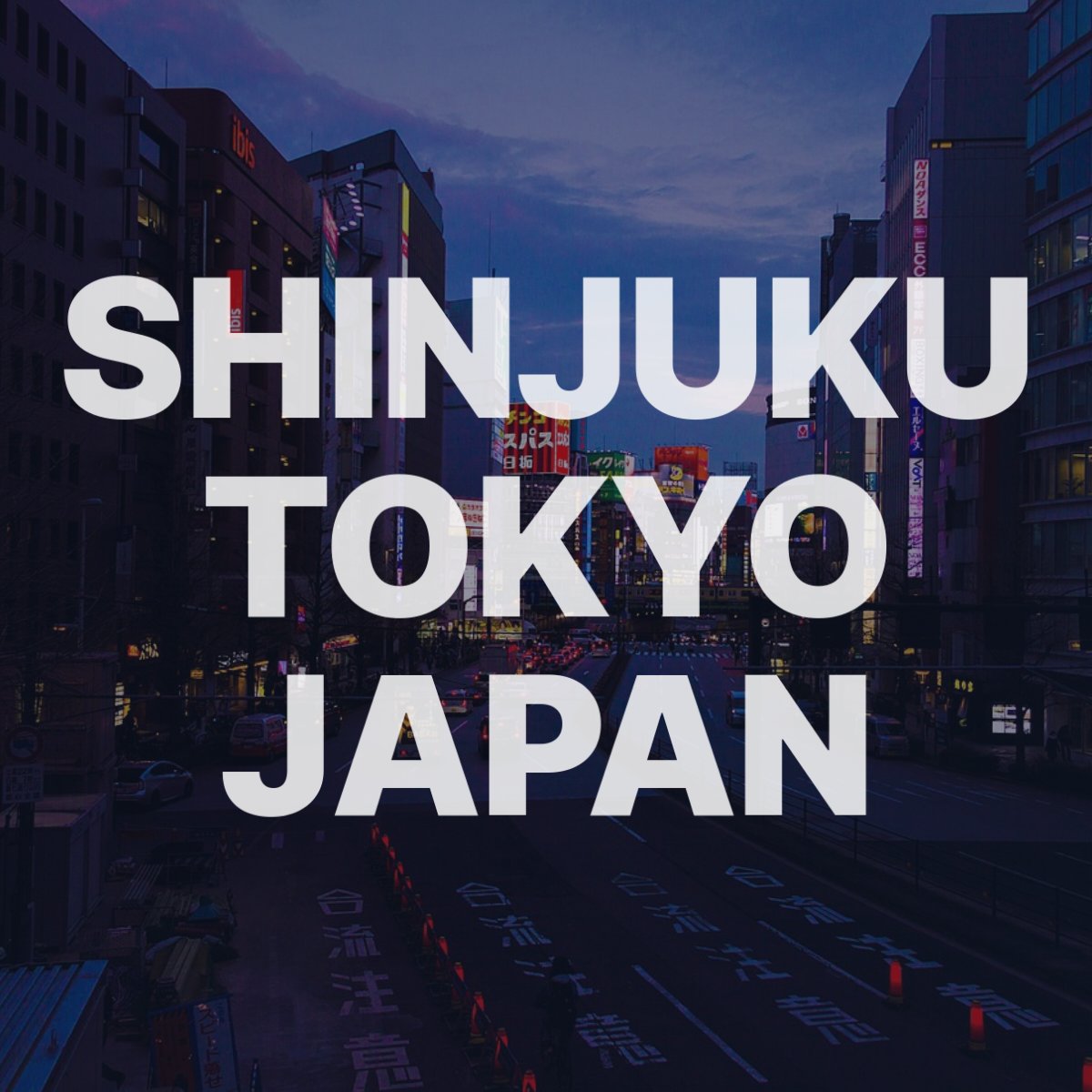
I still remember stepping out of Shinjuku Station for the first time. The sheer energy hit me immediately. Thousands of people moved through the station exits while neon signs flickered above towering buildings. This wasn’t just another neighborhood in Tokyo. Shinjuku Tokyo Japan represents something entirely different from any urban district I had experienced before. The area pulses with constant activity, blending traditional Japanese culture with cutting-edge modernity in ways that challenge your expectations at every corner.
What struck me most during my multiple visits to Shinjuku was how it manages to be everything simultaneously. Business professionals rush to office towers in the morning. Shoppers flood department stores in the afternoon. Night owls explore entertainment districts after dark. Each hour brings a completely different atmosphere to the same streets. Understanding Shinjuku requires more than a single visit or perspective. I learned this through trial and error, navigating its complex station layouts and discovering hidden alleyways that tourists often miss entirely.
This guide shares practical insights I gained from spending extensive time in Shinjuku Tokyo Japan. You’ll discover why this district dominates Tokyo’s landscape, learn navigation strategies that save hours of confusion, and find specific areas worth your attention. These aren’t generic travel tips copied from guidebooks. They come from real experiences walking these streets, making mistakes, and eventually understanding what makes Shinjuku truly exceptional for visitors and residents alike.
Why Shinjuku Stands Out Among Tokyo’s Districts
Shinjuku Station processes over 3.5 million passengers daily, making it the world’s busiest transportation hub. I witnessed this staggering volume firsthand during rush hour. The station connects multiple train lines, subway systems, and private railways in one sprawling complex. This accessibility makes Shinjuku the natural center point for exploring all of Tokyo. You can reach virtually any major destination within 30 to 40 minutes from here.
The district’s architecture tells a compelling story about Tokyo’s evolution. West Shinjuku showcases the city’s modern ambitions with skyscrapers housing major corporations, luxury hotels, and the Tokyo Metropolitan Government Building. I rode the elevator to the free observation deck in that government building. The panoramic views stretched across the entire Kanto Plain on clear days. Meanwhile, east Shinjuku preserves more traditional commercial energy with department stores, narrow streets, and entertainment venues that date back decades.
What separates Shinjuku from other Tokyo districts is its refusal to sleep. I’ve walked these streets at 3 AM and found restaurants serving fresh ramen, convenience stores bustling with customers, and karaoke bars still accepting guests. The 24-hour culture means you’re never stranded without options. Late-night trains stop running around midnight, but Shinjuku offers countless ways to spend those hours until the first morning trains resume service around 5 AM.
The diversity within Shinjuku surprised me more than its size. Kabukicho thrives as the entertainment and red-light district with its famous Godzilla statue and endless nightlife options. Shinjuku Gyoen National Garden provides peaceful green space spanning 58 hectares in the district’s southeast corner. The contrast feels jarring when you transition from chaotic streets to serene garden paths within a 10-minute walk. This variety means Shinjuku accommodates every travel style and preference.
Shopping options in Shinjuku Tokyo Japan exceed what you’ll find concentrated anywhere else in the city. Isetan department store elevates shopping to an art form with meticulously curated collections. Bic Camera and Yodobashi Camera compete as massive electronics retailers where I’ve spent hours comparing gadgets. Don Quijote operates its flagship store here, offering everything from snacks to costumes across multiple floors of organized chaos. Small boutiques line the streets of Shinjuku Sanchome, providing alternatives to major retail chains.
The food scene deserves special recognition for its depth and accessibility. I’ve eaten some of my best Tokyo meals in Shinjuku’s restaurant floors located above train stations and inside department stores. These aren’t airport-quality food courts. They’re carefully selected establishments representing regional cuisines from across Japan. You’ll find authentic Hokkaido ramen, Osaka okonomiyaki, and Kyushu tonkotsu all within the same building, prepared by chefs who specialize in their respective traditions.
Essential Tips for Navigating Shinjuku Successfully
Shinjuku Station intimidated me during my first several visits until I developed a systematic approach. The station contains over 200 exits spread across multiple levels and connected buildings. I recommend identifying your destination’s nearest exit before you arrive at the station. Google Maps shows exit numbers, but the station’s own signage uses names like “East Exit” or “New South Exit.” This disconnect causes confusion for newcomers who follow their phones blindly.
I learned to use landmarks rather than exit numbers when navigating Shinjuku. The massive Studio Alta screen on the east side serves as the most recognizable meeting point. The Keio Department Store marks the west exit area. The NEWoMan shopping complex sits at the new south exit. Memorizing these landmarks helped me orient myself quickly regardless of which train line I arrived on. The station essentially functions as several connected stations, each serving different railway companies.
Timing your Shinjuku visits strategically makes an enormous difference in your experience. Rush hour transforms the station into a river of humanity flowing in predetermined patterns between 7:30 AM to 9:30 AM and 5:30 PM to 7:30 PM on weekdays. I avoid scheduling anything requiring station transfers during these windows. The crowds don’t just slow you down. They create genuine stress navigating platforms and passages packed shoulder-to-shoulder with commuters moving at determined speeds.
The late morning period between 10 AM and noon offers the calmest Shinjuku experience. Shops have opened, crowds have dispersed to offices, and you can actually walk at your own pace. I schedule my Shinjuku shopping and exploration during these hours. The district takes on a completely different character when you’re not constantly dodging people or waiting in lines. Restaurants seat you immediately, store staff provide attentive service, and you can actually stop to examine your surroundings without blocking traffic flow.
Language barriers in Shinjuku Tokyo Japan feel less challenging than in other Japanese districts due to the high tourist volume. Major establishments employ multilingual staff, and many restaurants offer picture menus or English translations. However, I still recommend learning basic Japanese phrases and downloading a translation app. Small restaurants in side streets and residential areas near the station often lack English support but serve incredible food at reasonable prices that tourist-focused restaurants can’t match.
Mobile connectivity matters significantly when navigating Shinjuku’s complexity. I purchased a pocket WiFi device at the airport specifically because relying on random WiFi networks proved frustrating. Having constant internet access let me check train schedules, verify restaurant locations, and adjust plans without searching for connectivity. The rental cost worked out to roughly five dollars per day, a worthwhile investment considering the time and stress it saved throughout my trip.
Understanding Shinjuku’s weather patterns helps you pack appropriately for daily exploration. Tokyo’s humidity in summer makes extended walking exhausting. I structured my summer visits around air-conditioned locations during peak afternoon heat. Winter brings crisp, dry cold that feels more comfortable than you’d expect, but the temperature drops sharply after sunset. Spring and autumn provide ideal conditions, though spring attracts massive crowds during cherry blossom season around early April.
Best Areas and Hidden Gems in Shinjuku Worth Exploring
Kabukicho earns its reputation as Tokyo’s most vibrant entertainment district, but it requires smart navigation. I spent several evenings exploring this area and learned which streets welcome casual visitors versus those catering to regular customers. The main streets near the Godzilla statue feel safe and accessible with family-friendly restaurants, game centers, and the Toho Cinema complex. The narrow alleys behind these main thoroughfares host hostess clubs and bars that expect introductions from existing patrons.
Golden Gai represents Shinjuku’s most atmospheric drinking area with roughly 200 tiny bars packed into a network of narrow alleys. Each bar typically seats four to eight people maximum. I visited during weekday evenings when the area felt more relaxed than crowded weekend nights. Some bars charge cover fees for first-time visitors, usually around 500 to 1000 yen. The intimate setting creates opportunities for conversations with bartenders and fellow patrons that don’t exist in larger establishments.
Shinjuku Gyoen National Garden provided my favorite escape from urban intensity during multiple Tokyo visits. The 500-yen admission fee keeps crowds manageable compared to free parks. Three distinct garden styles occupy different sections: French formal gardens, English landscape gardens, and traditional Japanese gardens with ponds and tea houses. I spent entire afternoons here during cherry blossom season, though the garden’s beauty shifts with each season. The park closes at 6:30 PM, so plan your visit accordingly.
The observation decks atop Tokyo Metropolitan Government Building offer the best free views in Tokyo. I visited both north and south towers on different days since they face different directions. The north tower faces Mount Fuji, visible on clear days roughly 100 kilometers away. The south tower overlooks Tokyo Bay and the eastern sprawl of the metropolitan area. Arriving shortly before sunset lets you see the city in daylight, twilight, and full night illumination during a single visit.
Omoide Yokocho, also called Memory Lane or Piss Alley, lines a narrow passage near Shinjuku Station’s west exit. This alley preserves post-war Tokyo’s atmosphere with tiny yakitori restaurants where smoke from charcoal grills fills the air. I squeezed onto stools next to salarymen enjoying after-work drinks and grilled chicken skewers. Most establishments here seat fewer than ten people. The intimate, slightly chaotic atmosphere captures an authenticity that polished modern restaurants can’t replicate. Expect to spend 2000 to 3000 yen per person including drinks.
Isetan Department Store deserves specific mention beyond general shopping recommendations. The basement food floors showcase Japanese department store culture at its finest. I wandered through sections dedicated to tea, wagashi traditional sweets, prepared meals, fresh produce, and imported goods. The presentation elevates groceries to art. Sales staff offer samples generously. You could easily spend an hour exploring just these basement levels without buying anything, though resisting purchases becomes increasingly difficult as you sample various treats.
The area around Shinjuku Sanchome Station, one stop east of Shinjuku on the Marunouchi Line, feels distinctly different from the main station area. Smaller shops, local restaurants, and residential buildings create a neighborhood atmosphere. I discovered excellent casual restaurants here serving teishoku set meals for 800 to 1200 yen. The streets remain navigable even during rush hour since commuter flows concentrate at the main station. This area shows you how Tokyo residents actually live rather than the tourist-focused experience dominating central Shinjuku.
Frequently Asked Questions
❓ What is Shinjuku Tokyo Japan?
Shinjuku is Tokyo’s busiest commercial and administrative district, centered around the world’s most crowded train station. It combines business centers, entertainment districts, shopping areas, and cultural sites within a concentrated area. The district serves as a transportation hub connecting multiple railway lines and offers 24-hour activity with restaurants, bars, hotels, and entertainment venues operating around the clock. Shinjuku represents modern Tokyo’s energy and diversity better than any other single district.
❓ How can I get started exploring Shinjuku?
Start your Shinjuku exploration during late morning hours between 10 AM and noon to avoid rush hour crowds. Exit at the east side near Studio Alta, then walk toward either Kabukicho for entertainment or Shinjuku Gyoen for parks. Download offline maps before arriving since the station’s complexity challenges first-time visitors. Consider purchasing a pocket WiFi device for constant navigation access. Plan your exit from Shinjuku Station based on your destination, and use landmarks rather than exit numbers for orientation.
❓ What are common mistakes visitors make in Shinjuku?
The biggest mistake involves attempting station transfers during rush hour, which creates unnecessary stress and delays. Visitors also fail to identify their destination’s specific station exit beforehand, leading to confused wandering through the 200-plus exits. Many tourists stick exclusively to main streets, missing smaller restaurants and shops offering better value and authenticity. Another common error is scheduling tight connections through Shinjuku Station without accounting for the 10 to 15 minutes required to navigate between different railway platforms. Finally, visitors often underestimate how walking-intensive Shinjuku exploration becomes.
Shinjuku Tokyo Japan challenged every assumption I held about urban districts before my first visit. The scale overwhelms initially, but patterns emerge with patient observation. The transportation hub connects you to every corner of Tokyo efficiently once you master the station layout. The district’s diversity means returning visitors discover new aspects during each trip.
I encourage you to approach Shinjuku with curiosity rather than rigid plans. The district rewards exploration and spontaneous decisions more than strictly scheduled itineraries. Allow extra time for getting lost and stumbling upon unexpected discoveries. Those unplanned moments often become the most memorable parts of any Shinjuku experience.
Start with the specific areas I’ve outlined, then branch out based on your interests and energy levels. Book accommodations near Shinjuku Station if you plan multiple day trips across Tokyo. The transportation access eliminates wasted time commuting from distant neighborhoods. Use late morning hours for shopping and sightseeing, then experience Kabukicho’s energy after dark when the neon signs create their full effect. Shinjuku offers something valuable for every type of traveler willing to engage with its complexity and energy.