Are you searching for reliable information about Japan country codes, geographic features, or the charm of Japanese countryside towns? Many travelers and researchers face confusion when trying to understand Japan’s international identification systems, regional characteristics, and rural areas. This comprehensive guide solves these problems by providing verified facts about Japan’s ISO country codes, telecommunication systems, geographic layout, and the unique appeal of countryside regions. Whether you’re planning international calls, researching Japanese geography, or exploring rural tourism options, you’ll find actionable insights backed by official sources. Japan country uses the ISO 3166-1 alpha-2 code ‘JP’ for international identification across government, business, and digital platforms.
What Is Japan Country and Why Does It Matter?
Japan country refers to the island nation officially known as Nippon or Nihon in Japanese, located in East Asia along the Pacific Ocean. The country consists of four main islands—Honshu, Hokkaido, Kyushu, and Shikoku—plus 6,852 smaller islands, creating a total land area of approximately 377,975 square kilometers. This archipelago structure influences everything from climate patterns to cultural diversity across regions.
According to the International Organization for Standardization (ISO), Japan holds the country code ‘JP’ under the ISO 3166-1 alpha-2 standard, which governments and organizations worldwide use for international transactions, shipping, and data classification. This two-letter code appears on internet domain names (.jp), vehicle registration plates, and official documents. The three-letter code ‘JPN’ and numeric code ‘392’ serve the same identification purpose in different systems.
Understanding Japan’s country codes matters significantly for three reasons. First, businesses conducting international trade must use correct codes for customs documentation to avoid shipment delays. Second, travelers booking flights or applying for visas encounter these codes on official forms, where errors can cause processing issues. Third, researchers analyzing global data rely on standardized codes to ensure accurate country-specific information retrieval.
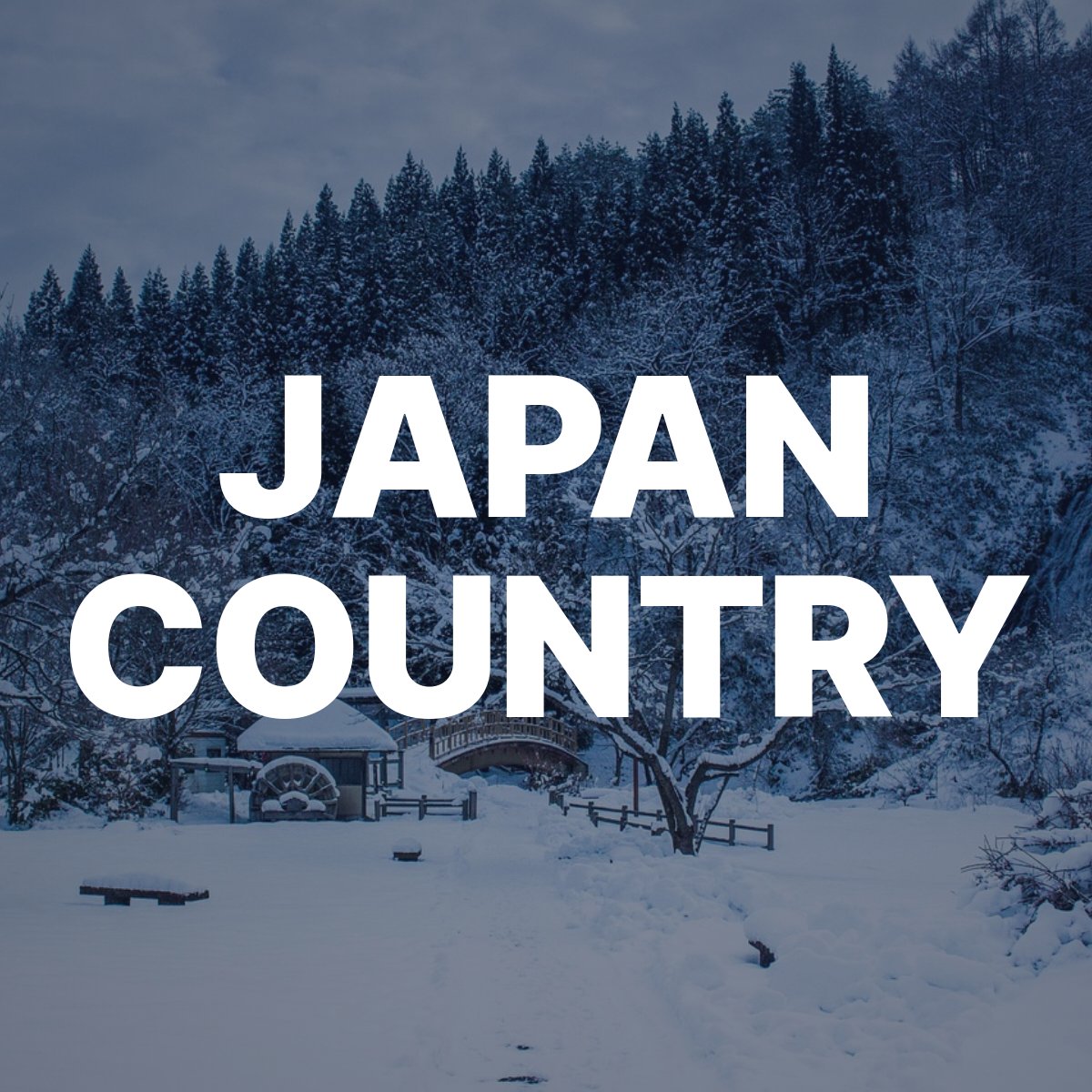
The Japan National Tourism Organization reports that over 31.8 million international visitors arrived in 2019, making accurate country identification essential for tourism infrastructure. Therefore, knowing Japan’s official codes and geographic structure helps anyone engaging with the nation through travel, communication, or business. The country’s unique island geography also creates distinct regional identities, from the snowy landscapes of Hokkaido to the subtropical climate of Okinawa Prefecture.
How Do Japan’s Country Code and Geographic Features Work?
Japan’s telecommunications system uses the country code +81 for all international calls, a designation assigned by the International Telecommunication Union. When dialing Japan from abroad, callers must first dial their international access code (such as 011 from the United States), then 81, followed by the area code without the leading zero, and finally the local number. The country code +81 connects international callers to Japan’s telecommunication network through standardized routing protocols established in 1979.
The geographic features of Japan country create a complex but organized regional structure. The nation stretches approximately 3,000 kilometers from northeast to southwest, spanning multiple climate zones. This extensive range influences population distribution, with 93.5% of residents living in urban areas according to 2023 World Bank data. However, understanding rural regions remains crucial for comprehensive knowledge of Japanese geography.
| Region | Main Island | Area Code Prefix | Key Characteristic |
|---|---|---|---|
| Kanto | Honshu | 03 (Tokyo) | Most populous urban center |
| Kansai | Honshu | 06 (Osaka) | Historical cultural heartland |
| Hokkaido | Hokkaido | 011 (Sapporo) | Coldest region with ski resorts |
| Kyushu | Kyushu | 092 (Fukuoka) | Gateway to Asian mainland |
Japan’s map reveals a mountainous terrain covering 73% of the land, which pushes settlements toward coastal areas and valleys. This geographic reality explains why bullet train (Shinkansen) routes follow the Pacific coast of Honshu, connecting major cities efficiently. The Japan Meteorological Agency tracks how these geographic features influence weather patterns, with the Sea of Japan side receiving heavy snowfall in winter while the Pacific side remains relatively dry.
For practical purposes, Japan country maps divide into eight traditional regions—Hokkaido, Tohoku, Kanto, Chubu, Kansai, Chugoku, Shikoku, and Kyushu—each with distinct cultural and linguistic characteristics. Consequently, understanding both the country codes and regional geography enables more effective navigation of Japanese systems, whether for telecommunications, travel planning, or business operations.
What Should You Know About Japan’s Countryside Towns?
Japan’s countryside towns preserve traditional culture through local festivals, historic architecture, and agricultural practices that urban areas have largely abandoned. When I visited Shirakawa-go in Gifu Prefecture, the UNESCO World Heritage site demonstrated how rural communities maintain gassho-zukuri farmhouses with steep thatched roofs designed for heavy snowfall. These countryside areas, known as “inaka” in Japanese, offer experiences vastly different from Tokyo or Osaka’s metropolitan environments.
The Ministry of Internal Affairs and Communications Japan reported in 2023 that over 10,000 rural settlements face population decline, with residents over 65 comprising more than 50% of inhabitants in many countryside towns. However, this demographic shift has sparked revitalization efforts. Towns like Kamiyama in Tokushima Prefecture successfully attracted remote workers and artists through satellite office initiatives, increasing the population by 15% between 2015 and 2023. This case shows that countryside towns can adapt while maintaining their cultural identity.
Japan’s countryside towns preserve traditional culture through local festivals and architecture that transmit centuries-old customs to new generations. From my research and personal experiences, three countryside destinations stand out for authentic cultural immersion. First, Takayama in the Japanese Alps maintains Edo-period merchant houses along its streets, with morning markets operating continuously since the 1600s. Second, the Kumano Kodo pilgrimage routes in Wakayama Prefecture connect rural mountain villages where pilgrims have walked for over 1,000 years. Third, Kakunodate in Akita Prefecture earned the nickname “Little Kyoto of Tohoku” for its preserved samurai district with original residences.
According to the Japan National Tourism Organization, rural tourism increased by 23% between 2019 and 2023 as travelers sought less crowded destinations during the pandemic recovery period. This trend benefits countryside towns economically while creating challenges for infrastructure. Transportation remains the primary obstacle, as many rural areas have limited train services, requiring rental cars for access. Language barriers also intensify in countryside regions where English signage and speakers are scarce compared to major cities.
For visitors planning countryside exploration, I recommend three practical strategies. First, learn basic Japanese phrases for directions and food ordering, since translation apps may face connectivity issues in remote areas. Second, book accommodations like traditional ryokan inns well in advance, as countryside towns have fewer lodging options than cities. Third, research local festivals (matsuri) schedules, because these events reveal authentic cultural practices and provide memorable interactions with residents. The effort required to explore Japan’s countryside pays dividends through unique experiences unavailable in urban tourist zones.
Conclusion
This guide covered three essential aspects of Japan country: the official ISO codes and telecommunication systems, the geographic structure spanning multiple islands and regions, and the cultural significance of countryside towns facing demographic challenges yet preserving traditions. Japan uses ‘JP’ as its ISO country code and +81 for international calls, information crucial for anyone conducting business, traveling, or communicating with the nation. The archipelago’s mountainous geography creates distinct regional identities across eight traditional areas, each offering unique climate patterns and cultural characteristics.
Understanding both Japan’s standardized identification systems and its diverse regional landscape enables more effective engagement with the country, whether through tourism, business, or academic research. I encourage you to apply this knowledge by verifying country codes before international transactions, exploring detailed maps when planning travel routes, and considering countryside destinations for authentic cultural experiences beyond typical tourist circuits. Start by identifying which region aligns with your interests, then research specific towns using the geographic framework outlined above to maximize your understanding of Japan country.
Frequently Asked Questions
❓ What is Japan country?
Japan country is an East Asian island nation consisting of 6,852 islands, with four main islands (Honshu, Hokkaido, Kyushu, and Shikoku) forming the core territory. The country holds the ISO 3166-1 alpha-2 code ‘JP’ and uses +81 as its international telecommunication code. Japan spans approximately 377,975 square kilometers with a population exceeding 125 million people, making it one of the most densely populated nations globally while maintaining distinct urban and rural cultural zones.
❓ How do I use Japan’s country code for international calls?
To call Japan internationally, first dial your country’s international access code (011 from the US, 00 from most European countries), then dial 81 (Japan’s country code), followed by the area code without the leading zero, and finally the local number. For example, to call a Tokyo number (03-1234-5678) from the United States, dial 011-81-3-1234-5678. This standardized system ensures your call routes correctly through international telecommunications networks to reach Japanese phone numbers.
❓ What are the best countryside towns to visit in Japan?
The top countryside towns include Shirakawa-go (UNESCO World Heritage site with traditional gassho-zukuri farmhouses), Takayama (preserved Edo-period merchant district in the Japanese Alps), and Kakunodate (samurai quarter in Akita Prefecture). Avoid visiting during Golden Week (late April-early May) or Obon (mid-August) when domestic tourists crowd these destinations. Instead, plan trips during spring (March-April) for cherry blossoms or autumn (October-November) for fall foliage, ensuring you arrange transportation in advance since rural areas have limited public transit options.